The Fellowship We Keep

This one goes out to the witnesses in our lives
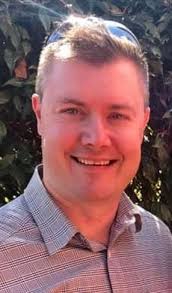
I received the message this afternoon that Dr Milton Lewis had passed away. Milton was the man who sponsored me into the Rotary Club of Campbelltown. Rotary had already touched my life through Youth Exchange, but Milton was the one who turned that experience into belonging. I can still picture that first meeting: a nervous young returnee scanning the room, unsure where to sit. Milton caught my eye, smiled, and made space for me at his table. He didn’t just invite me into Rotary – he noticed me.

News like that lands heavier than you expect. Maybe it was because I’d just spent a week surrounded by Rotarians at the Zone Institute and National Conference – seven days of reconnection, laughter and learning – that the silence after his passing felt so sharp. Joy and grief, side by side; fellowship in two forms.
A few nights before the conference, I re-watched the 2004 film Shall We Dance? with Richard Gere and Susan Sarandon. There’s a line that stayed with me:
“Your life will not go unnoticed because I will notice it.
Your life will not go unwitnessed because I will be your witness.”
That line struck deeper this time. It captured exactly what Rotary fellowship feels like – the quiet promise that somebody will notice, that our efforts and our presence will be seen. Milton did that for me. Every meeting since has been a chance to do it for someone else.
The Gold Coast week was soaked in rain and energy. DG Emma Davis’ easy laugh carried across the lobby; DG Jenn Wong’s calm steadiness anchored a dozen conversations. PDG Jodie Sparks swapped stories of clubs brave enough to try new things; PDG Andy Rajapakse managed to encourage half the building before breakfast. DGN Rick Vosila shared ideas over coffee; PDG Michael Lapina reminded us how storytelling keeps Rotary human. At the conference dinner I sat with PDG Amanda Wendt – earlier she’d delivered a passionate talk on polio; that night we just talked, laughed and compared notes on leadership and life. Moments like that blur the line between professional and personal. Purpose by day, fellowship by night, both essential.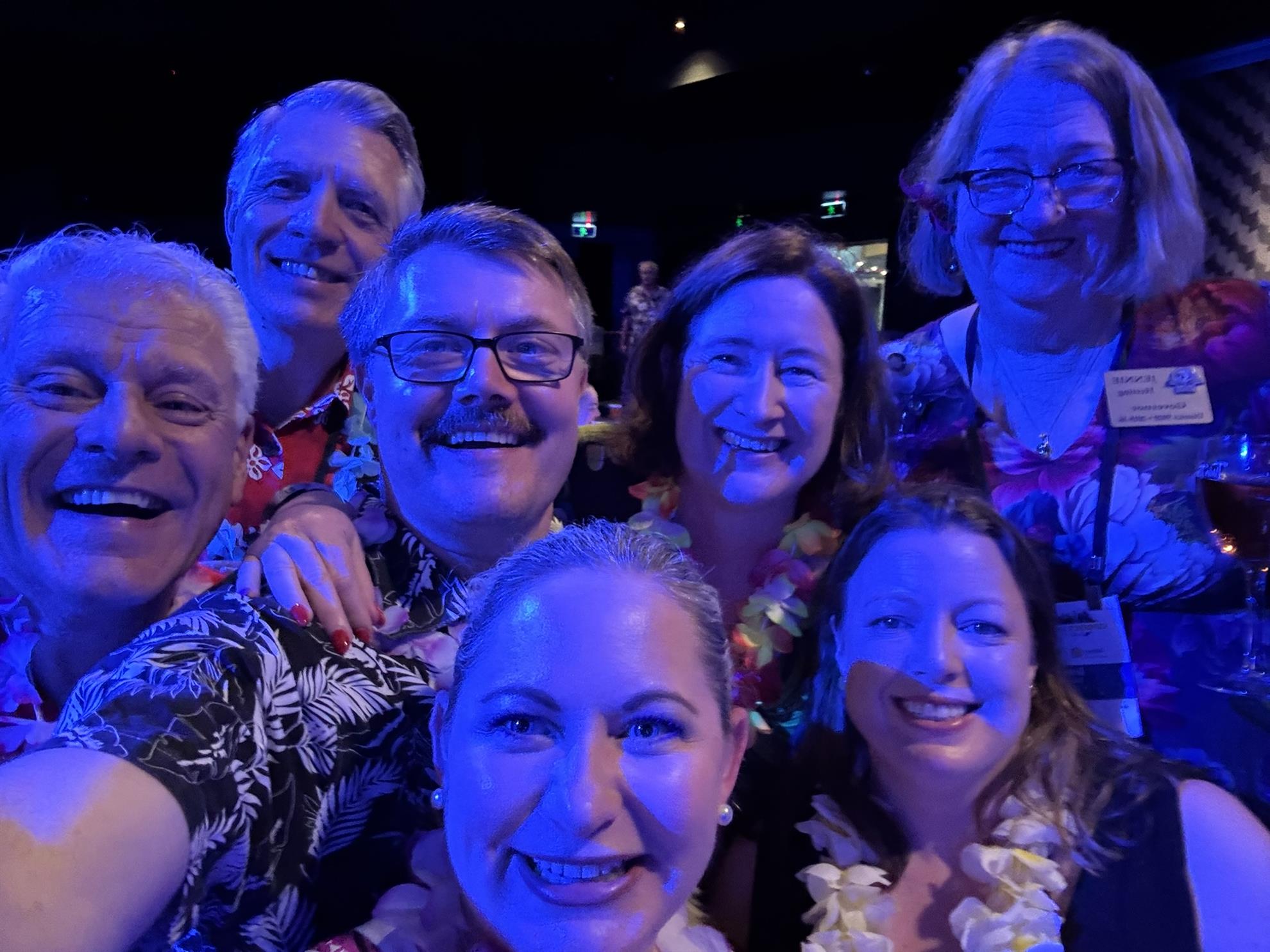
Outside, the weather drenched the Gold Coast. Inside, the conversations flowed. DGNs comparing notes, partners swapping contacts, people who’d met once years ago greeting each other like family. That’s when it hit me again: Rotary isn’t held together by constitutions or procedures. It’s held together by culture – by the way we make people feel when they walk through the door.
Years ago, while studying civic engagement, I pored over Robert Putnam’s work on social capital. In Bowling Alone he warned that when people stop joining, societies fray; when we lose the habit of showing up, trust evaporates. And yet, every week across our district, a bell rings and people gather. That’s Rotary quietly repairing the social fabric. Putnam’s later book, The Upswing, traced how the early twentieth century saw a wave of civic renewal – the rise of clubs, unions and service organisations – before the long slide into individualism. Rotary was born in that upswing. Maybe our task now is to spark the next one.
Fellowship is how we do it. When people walk into a club and feel warmth before words, they stay. When they sense formality before friendship, they drift away. The best clubs in our district prove it every week. They might not be the biggest, but they hum with life because people genuinely like each other. Culture before structure. As management thinker Karen Martin writes in Clarity First, thriving organisations have an unspoken clarity – people simply know what matters and can feel it. That’s Rotary at its best: clarity through connection.
You can tell within minutes whether fellowship lives in a club. There’s laughter, gentle teasing, a hum of purpose. Generations mix easily. New faces are drawn in rather than left at the edges. That atmosphere does more for retention than any formal membership plan ever could.
Sociologist Marissa King, in Social Chemistry, says every strong network needs three kinds of connectors: brokers, conveners and expansionists. Rotary has all three – the bridge-builders who link circles, the hosts who make sure everyone feels included, and the ones who keep inviting the next person in. That mix keeps the movement alive.
And research keeps proving why it matters. The Harvard Study of Adult Development – the world’s longest study of happiness – found that good relationships, not wealth or status, keep us healthy and happy. Julianne Holt-Lunstad’s meta-analysis in PLOS Medicine showed that social connection extends life more than exercise or diet. Fellowship isn’t decoration; it’s medicine. Rotary has been prescribing it since 1905.
When fellowship thrives, membership follows. People stay because they’re tethered by friendship, not obligation. They lead because someone believed in them first. They invite others because they’re proud of what they belong to. Clubs with strong culture don’t chase numbers; numbers find them.
I saw that same spirit in photos from our club’s Halloween event at Lightsview. I wasn’t there, but the images told the story – families laughing, volunteers in bright Rotary shirts, children running through the twilight. You could see connection made visible. That’s culture you can photograph.
Across District 9510, culture shows itself in small gestures. A president texting a missing member to check in. A project chair quietly taking a task off someone’s shoulders. A past president mentoring the next without making it a lesson. Those aren’t footnotes; they’re the heartbeat of membership health.
Milton practised that instinctively. He never spoke about culture; he lived it. He greeted people by name, remembered their families, laughed often. He witnessed people’s lives and built community by doing it.
That same spirit was alive among the DGNs last week. Leadership in Rotary isn’t positional; it’s relational. We don’t lead from the front; we lead beside. The people who inspire me most – Emma, Jenn, Jodie, Andy, Rick, Michael, Amanda – all make leadership look like friendship with purpose.
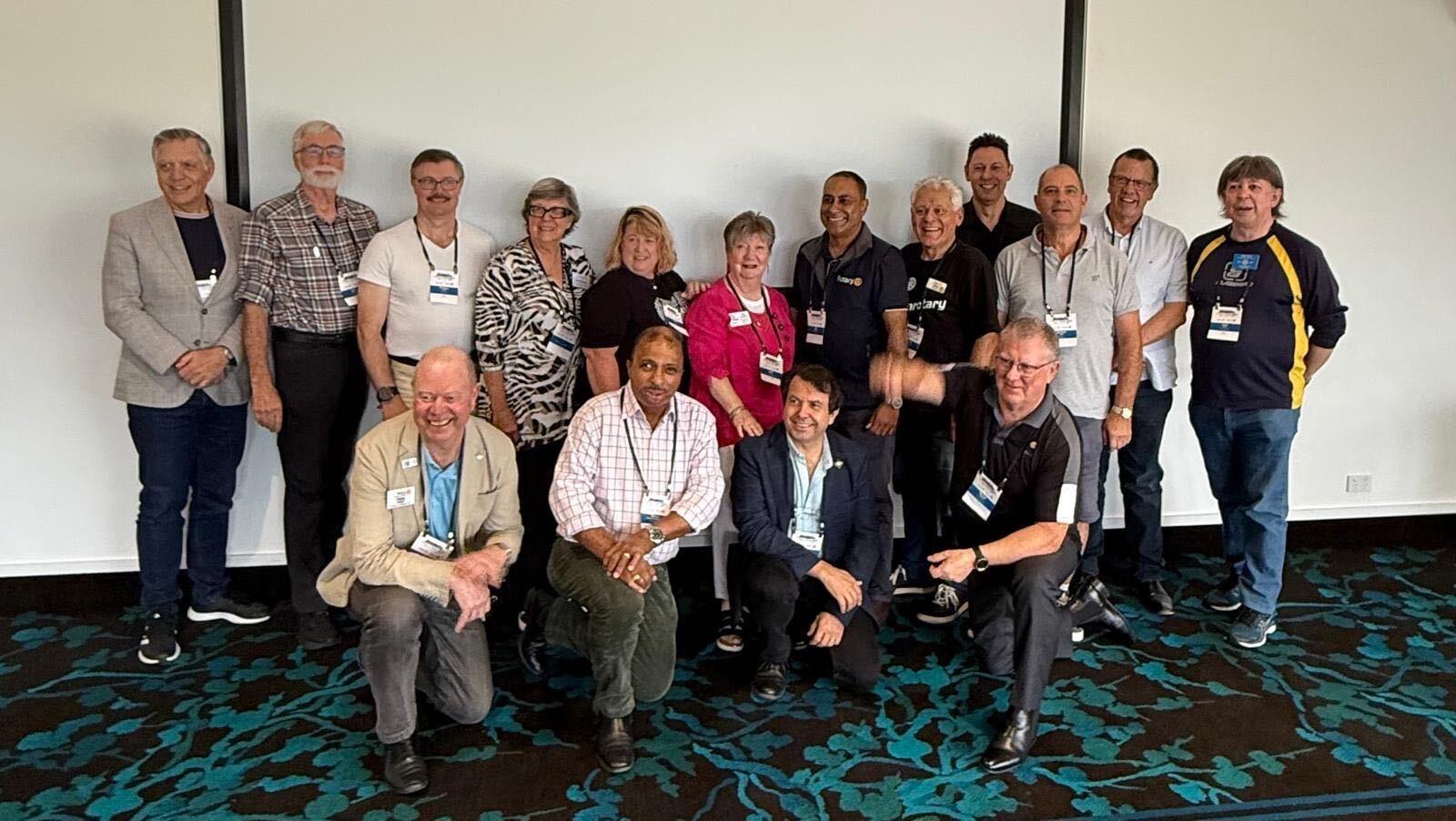
Culture also builds continuity. In healthy clubs, leadership transitions are calm because fellowship has already done the mentoring. The next president has been included all along. They’re stepping into something alive, not inheriting an empty room. That’s the culture we should aim for – service and friendship so intertwined you can’t tell where one ends and the other begins.
When service loses fellowship, it burns out. When fellowship loses service, it turns nostalgic. Together they create momentum.
Rotary is a long apprenticeship in belonging. We learn how to listen, how to disagree kindly, how to celebrate without comparison. Parker Palmer calls these “habits of the heart.” They’re the habits that keep civic life alive, learned around tables just like ours.
Rotary’s greatest export isn’t projects; it’s people who know how to care about community. Every meeting is a rehearsal for cooperation. Every shared laugh is an antidote to cynicism. Every act of noticing pushes back against loneliness. Tocqueville wrote in the 1830s that America’s democracy was sustained by voluntary associations – ordinary citizens gathering to solve common problems. Nearly two centuries later, Rotary is still proving him right.
As we look ahead, our task is simple: keep the culture alive. That means keeping doors open for everyone – young professionals, migrants, busy parents, retirees, anyone looking for a place to belong. Fellowship is the bridge between difference and unity; it turns diversity into family.
The next generation is already here: Interactors, Rotaractors, alumni, people whose first Rotary memory might be a school award or Youth Exchange. They won’t stay because we ask them to. They’ll stay because the culture feels genuine. If the room feels alive, they’ll return. If it feels closed, they won’t. Our responsibility is to keep it alive.
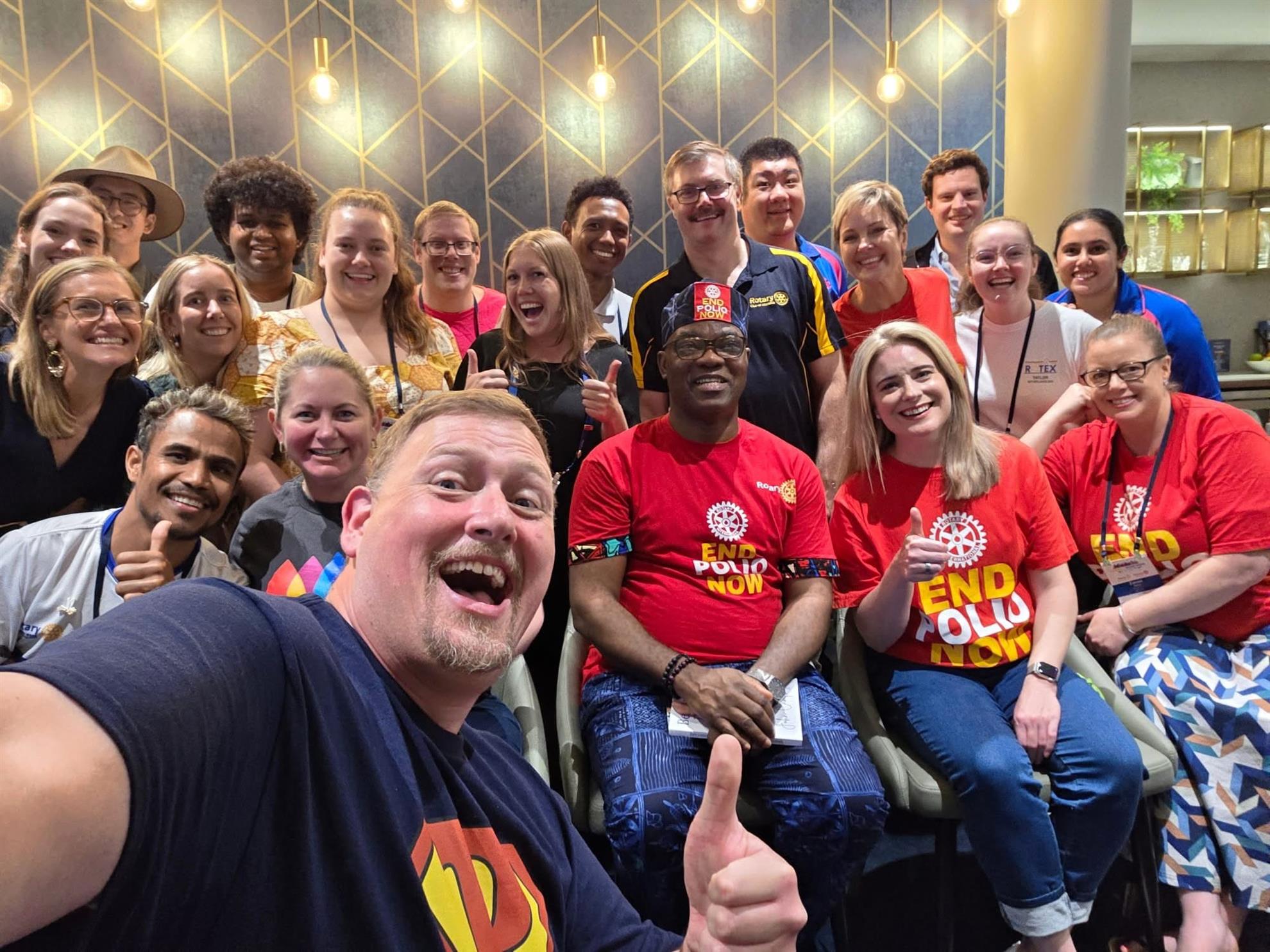
Fellowship does that. It renews itself every time someone says, “We missed you.”
During Institute week, between sessions and rain showers, I saw what that renewal looks like – Rotarians of every age and background trading ideas, mentoring across generations, building bridges across borders. It felt like the next upswing already beginning.
That’s why I’m hopeful. Despite the noise and busyness of modern life, people still crave connection. They’re searching for what Rotary already knows how to offer: friendship with purpose.
Everything I’ve learned – from Milton, from that film line, from civic research and from hundreds of Rotarians who keep noticing each other – points to the same truth: fellowship is culture, culture is membership, and membership is legacy. Each sustains the other.
When we notice each other, we create culture.
When we create culture, we sustain membership.
When we sustain membership, we give Rotary – and our communities – a future.
That’s the fellowship we keep.
That’s the promise we carry.
And that’s why, after more than a century, Rotary still feels new every time the bell rings.
So here’s to the witnesses – to the friends who sit beside us at meetings, the mentors who make space for us, the colleagues who laugh through the rain, the people who remind us that our lives will not go unwitnessed. Because when we keep showing up for each other, we keep Rotary alive. And when we do that, the world around us becomes a little more connected, a little more hopeful, and a lot more human.